Building knowledge, confidence, and skills for healthy choices.
REACH offers age-appropriate presentations that help young people understand the risks of substance use and build skills to navigate everyday challenges. Through discussion, engaging visuals, and opportunities to ask questions, students explore ways to make healthy choices, manage emotions, and strengthen relationships.
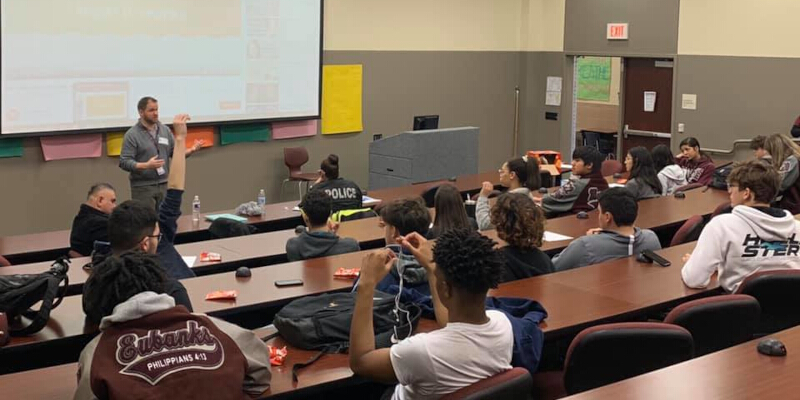
Our presentations serve students from kindergarten through high school and are available for schools, youth organizations, and community groups.
Substance Use Prevention Presentations
Tobacco & Vaping Nicotine:
Pig Lung Presentation
Grades 3–12
An interactive look at the chemicals in tobacco and nicotine vaping products, their effects on the body, and the laws and consequences surrounding use. Visual aids—including pig lungs, Mr. Gross Mouth, and a Jar of Tar—help students understand the impact on their health.
Vaping Nicotine & Marijuana/THC Products
Grades 6–12
Students learn about the health risks of vaping nicotine and marijuana/THC products, including dabbing. Video clips and guided discussion explore the effects of use, legal consequences, and student questions.
Marijuana
Grades 6–12
An age-appropriate discussion of how marijuana use can affect physical health, emotions, relationships, and school life. Students also explore legal consequences and practice strategies for responding to peer pressure.
Alcohol & Underage Drinking
Grades 4–12
Students explore how alcohol use can affect their health, emotions, relationships, and decision-making. The presentation addresses the consequences of underage drinking and strategies for refusing alcohol and navigating peer pressure.
Medicine Safety
Grades K–2
Using the animated video Wise Owl: What Is a Medicine?, students learn what medicines are, how they help, and why taking them incorrectly can be dangerous. Discussion emphasizes the importance of help from a trusted adult when taking medicine.
Prescription & Over-the-Counter Medication Safety
Grades 3–6
Visuals and role-play help students understand the risks of misusing prescription and over-the-counter medicines. Students learn why medicines should be taken only as directed, with guidance from a trusted adult and healthcare professional.
Prescription Drugs & Fentanyl
Grades 7 and up
Students learn about the risks of medication misuse, its connection to addiction, and the dangers of fentanyl and overdose. Visuals, video clips, and discussion provide opportunities to ask questions and build awareness. Education on how to recognize and respond to an opioid overdose and use of Naloxone can be included by request.
Alcohol, Marijuana & Fentanyl: Drug Trends
Grades 6–8
An age-appropriate overview of alcohol, marijuana, and fentanyl that helps students understand substance use risks and how these substances can affect their health and safety. Discussion encourages healthy decision-making and seeking help from a trusted adult.
Skills-Based Presentations
These presentations help students build practical skills for everyday life. Groups of 15–30 youth are recommended to support participation and discussion.
Healthy Choices
Grades K–2
Using the animated video Wise Owl: Is That Good for Me?, students explore healthy and unhealthy choices. Guided discussion helps them connect everyday decisions with their health and well-being.
Peer Pressure & Peer Refusal
Grades 1–12
Students learn to recognize different types of peer pressure and explore ways to refuse or avoid pressure to make unhealthy choices. Age-appropriate strategies help students respond with confidence.
Identifying & Managing Emotions
Grades 1–12
Students learn to recognize emotions, understand how feelings influence decisions, and manage strong emotions in healthy ways.
Communication
Grades 1–12
Students explore verbal and nonverbal communication, different communication styles, and why communicating clearly can sometimes be challenging. Discussion emphasizes the importance of expressing themselves and understanding others.
Healthy Relationships & Friendships
Grades 1–12
Students explore qualities of healthy relationships, including trust, kindness, honesty, and respect. They also learn to recognize warning signs of unhealthy relationships, such as pressure, disrespect, and a lack of support.
Addiction & Recovery
Grades 9–12
Students learn about the signs and progression of addiction, substance use risks, and pathways to recovery. The presentation also addresses long-term health effects, fentanyl dangers, signs of overdose, and resources for support.
Coping with Stress & Anxiety
Grades 5–12
Students learn the difference between stress and anxiety and explore healthy coping skills for managing both. The presentation also helps students recognize when they need support and identify ways to ask for help.
Bring REACH to Your Students
Contact REACH to discuss presentation topics, grade levels, and scheduling for your school or youth group.